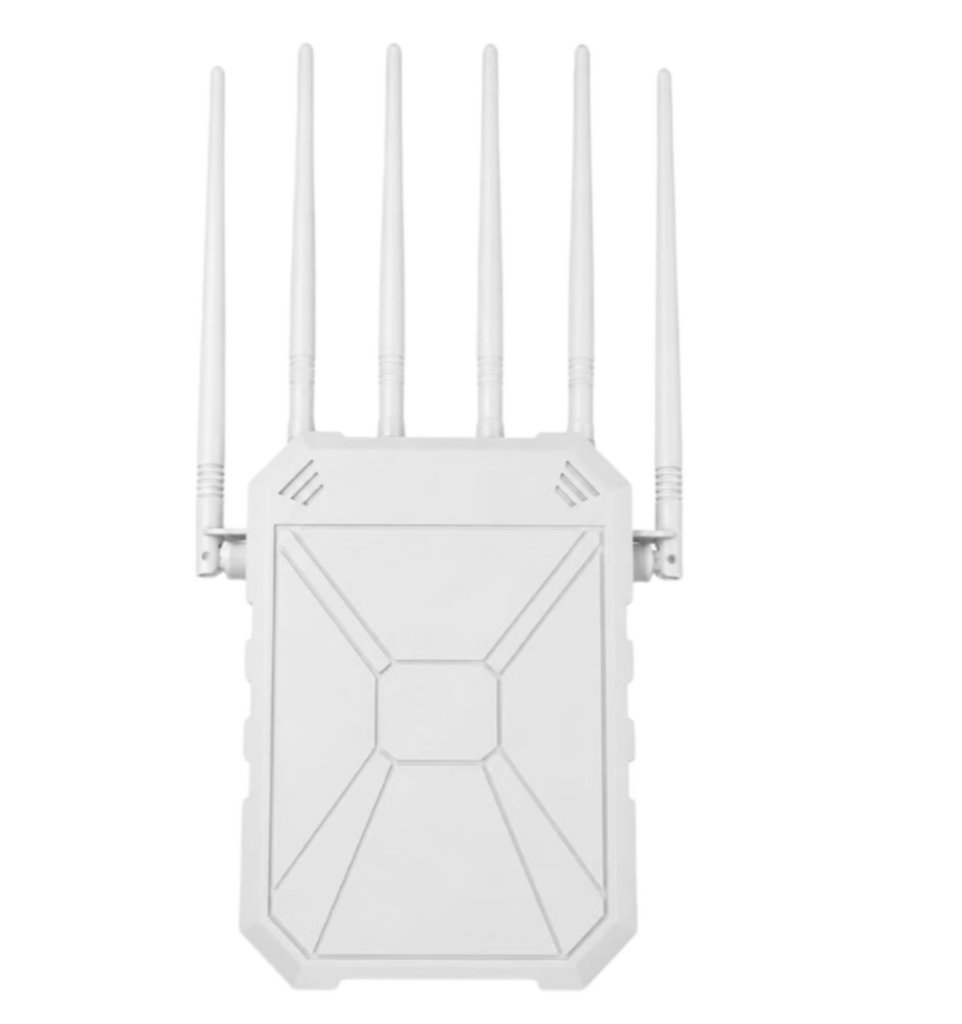
Outdoor WiFi 6 Extender
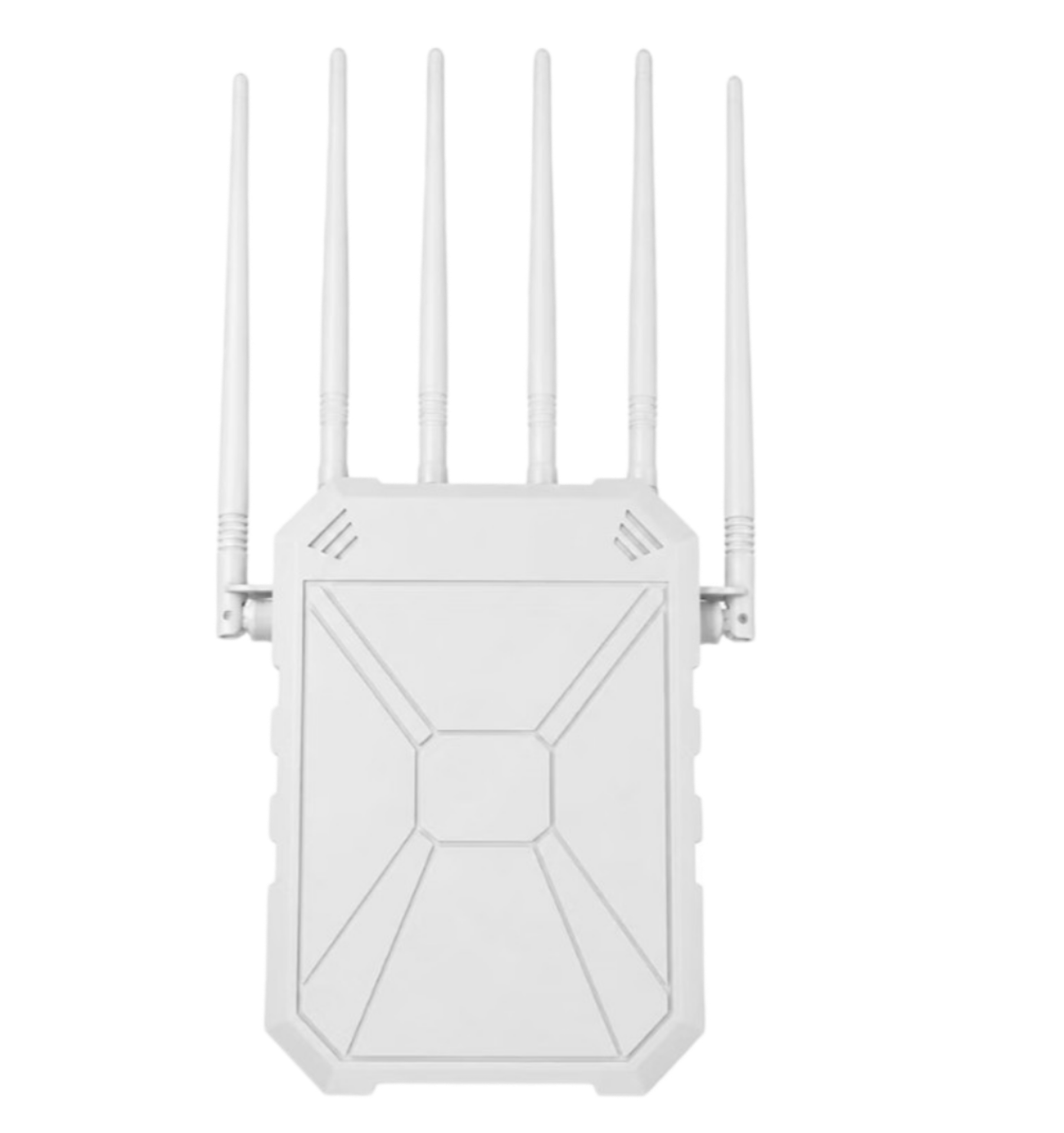
Outdoor WiFi 6 Extender
- The Outdoor WiFi 6 Extender is a practical networking device designed to help extend wireless internet coverage into outdoor areas and locations where the existing Wi-Fi signal may be weak or unreliable. It can be useful for homes, gardens, patios, balconies, garages, workshops, small offices, guest areas, and other spaces where a stronger wireless connection is needed beyond the primary router’s normal coverage. By receiving an existing wireless signal and retransmitting it over a wider area, the extender can help reduce Wi-Fi dead zones and provide more convenient access to the network without requiring a completely new internet connection.
Featuring WiFi 6 technology, compatible models can provide improved wireless efficiency, capacity, and performance compared with older Wi-Fi generations. WiFi 6 is designed to handle multiple connected devices more efficiently, which can be particularly useful in busy households and outdoor environments where smartphones, tablets, laptops, cameras, smart devices, and other equipment may be connected at the same time. Actual speeds and coverage depend on the router, internet connection, device compatibility, environmental conditions, distance, obstacles, and the specific specifications of the extender.
The outdoor-oriented design makes this type of extender suitable for exterior installation and broader coverage areas. Depending on the model, the housing may be designed to provide protection against dust, moisture, and changing outdoor conditions. Some models may include weather-resistant construction, external antennas, mounting brackets, or other installation accessories. However, the exact level of weather protection varies by product, so users should verify the manufacturer’s stated IP rating and installation requirements before placing the device outdoors. Proper positioning is important to ensure reliable performance and protect the equipment from unsuitable environmental conditions.
The extender can be useful for providing Wi-Fi coverage in areas such as backyards, gardens, terraces, courtyards, pool areas, outdoor workspaces, garages, and small commercial properties. Instead of relying solely on the main router’s signal, the extender can be positioned in a suitable location where it can receive a strong connection from the existing network and distribute that connection toward the desired coverage area. For best results, it should not be placed in a location where the original Wi-Fi signal is already extremely weak, because the extender needs a reasonably strong source signal to provide effective extended coverage.
Installation is generally designed to be user-friendly, although the exact setup process depends on the model. Many extenders can be configured through a web-based setup page, mobile application, or dedicated configuration system. Users typically connect the extender to the existing Wi-Fi network, select the desired network settings, and then position the device in an appropriate location. Some models may support additional features such as access-point mode, Ethernet connectivity, dual-band operation, automatic configuration, or multiple operating modes. Customers should check the specific product specifications to determine which functions are included.
A major advantage of an outdoor WiFi extender is the ability to improve wireless accessibility without running Wi-Fi cables throughout the entire property. It can provide a convenient solution when users want to access internet-connected devices farther away from the main router. For example, a user may want Wi-Fi access while working in an outdoor area, checking a smartphone in the garden, connecting a laptop in a garage, or operating compatible smart-home equipment located farther from the indoor router. Performance will vary depending on distance, walls, trees, interference, network congestion, and other environmental factors.
The device can also be useful for connecting multiple compatible devices simultaneously. WiFi 6 technology is designed with features that can improve network efficiency when numerous devices are active, although the overall network experience is still influenced by the main router and internet service. Users should also ensure that their client devices support the desired WiFi 6 features if they want to take full advantage of the newer wireless standard. Older Wi-Fi devices can generally connect to compatible networks, but their performance will depend on their supported wireless standards.
For optimal performance, the extender should be installed in a strategic location with a clear and reliable connection to the primary router or access point. Avoid placing it behind thick walls, inside enclosed metal structures, near large appliances that may cause interference, or in areas exposed to conditions beyond its rated environmental protection. If the model includes directional or adjustable antennas, positioning them according to the manufacturer’s recommendations can also help optimize coverage. Users should always follow the supplied installation and safety instructions when mounting the device outdoors.
Overall, the Outdoor WiFi 6 Extender is a convenient networking solution for expanding wireless coverage beyond the normal range of an indoor router. Its WiFi 6 compatibility, outdoor-oriented design, potential weather resistance, and flexible placement make it suitable for residential and selected commercial environments. It can help reduce dead zones and provide more convenient wireless access in gardens, patios, garages, workshops, and other outdoor areas. Before purchasing, customers should check the supported WiFi standards, maximum theoretical speeds, frequency bands, coverage claims, weather-resistance rating, Ethernet ports, antenna configuration, power requirements, mounting options, and compatibility with their existing router to ensure the extender meets their specific networking needs.


Reviews
There are no reviews yet.